
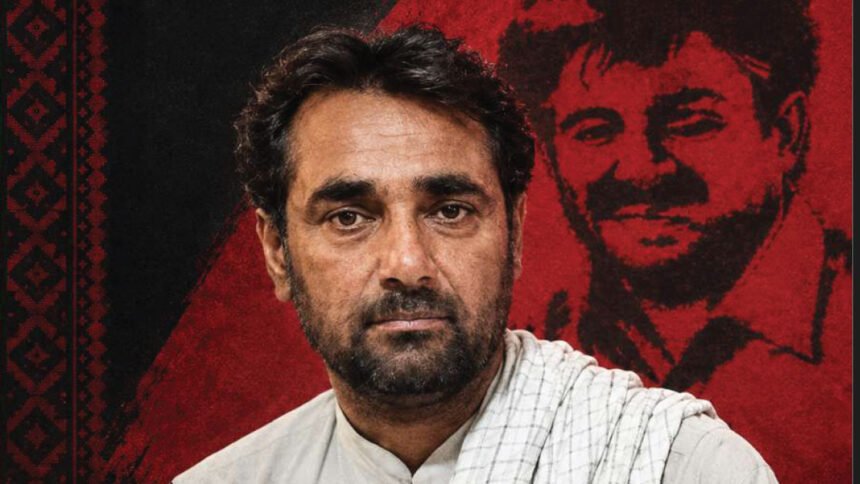
Paank, the Human Rights Department of the Baloch National Movement (BNM), has released a report expressing grave concern over the targeted killing of Dr. Abdul Rasheed Baloch, also known as Nokaap Baloch, a doctor, educator, political activist and member of the BNM Central Committee. According to information provided by his family and verified by the Paank team, Dr. Nokaap was killed on the morning of 11 September 2026 at his residence in Shamsar (Haqabad), Western Balochistan. An eyewitness told Paank that two armed men arrived at his guest house posing as patients before opening fire and killing him. The report states that the attackers belonged to a death squad operating under the patronage of the Pakistan Army.
Born in 1982 in Gandachai, Kolwah, in Awaran District, Dr. Nokaap dedicated much of his life to education and public service. According to Paank, he spent several years teaching children voluntarily in the nearby village of Kenechi, where local schools suffered from a shortage of teachers, and later provided free medical treatment to his community. He joined the BNM in 2010 as one of its earliest members in the Kolwah region, serving first as Vice President and then President of the Gishkaur Zone. He was later elected President of the Gandachai Zone, and in 2022 he became a member of the BNM Central Committee, a position he held until his martyrdom.
The report also documents a long history of reprisals against Dr. Nokaap. According to his family, the Pakistan Army demolished his home and looted his property during a military action in 2016, and several attempts were made on his life. Facing constant threats, he was forced to leave his home in 2018 and relocate to Western Balochistan. Despite his forced displacement, he continued to provide free healthcare and education to Baloch refugees and local communities in remote and underserved areas, giving vulnerable families access to basic services that would otherwise have been beyond their reach.
Paank said that because the killing took place outside Pakistan, it raises serious concerns about the cross-border targeting of Baloch political activists and refugees. The organisation called for an independent investigation into the identities and affiliations of those responsible, the chain of command, the planning and execution of the attack, and any links to Pakistani state, military, intelligence or security institutions. Paank stressed that medical professionals and educators serving displaced communities must be protected, and that providing healthcare and education should never make anyone a target of persecution or violence.
