A University of Cambridge researcher has told a conference in Germany that Pakistan’s post-colonial state continues to govern Balochistan using colonial-era tactics, describing the situation as a form of “internal colonialism”.
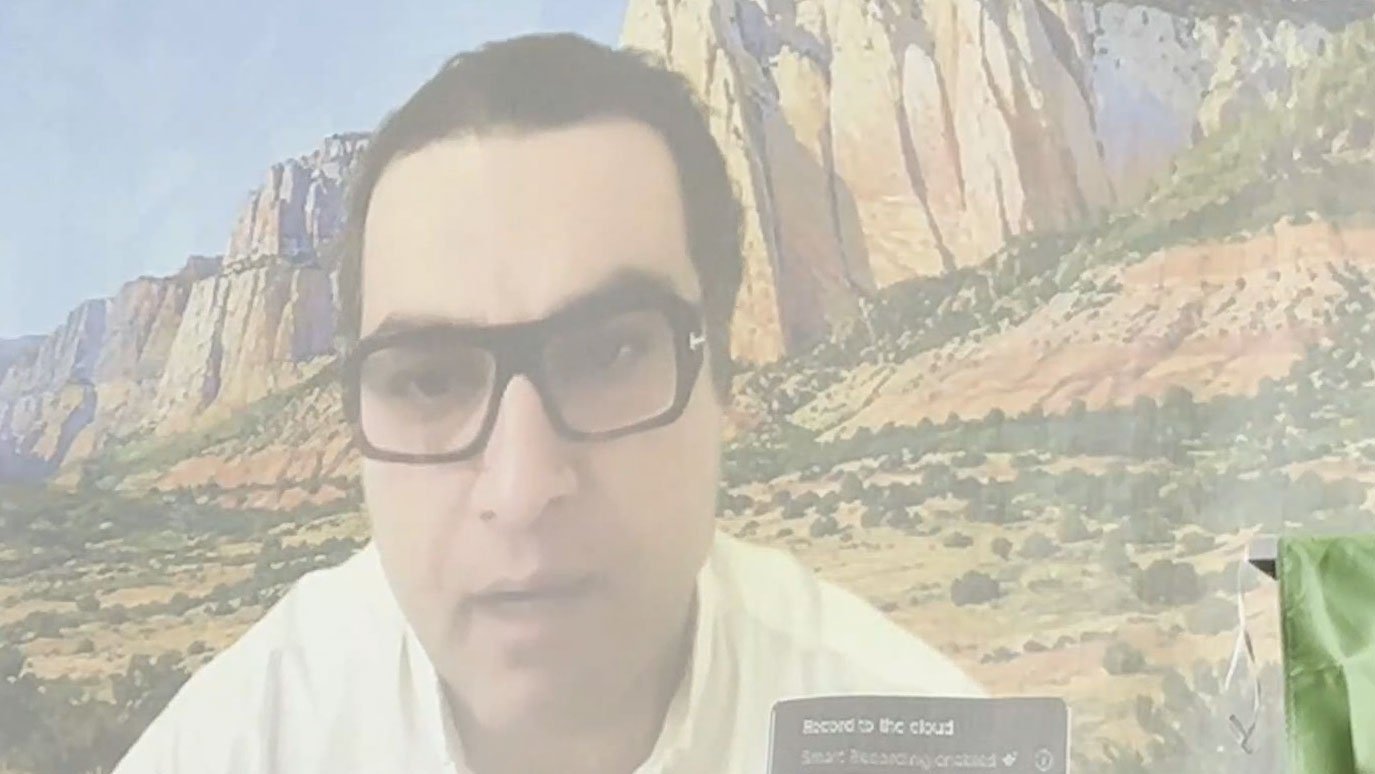
Rafi Ullah Kakar, a PhD student specialising in the political economy of development and conflict and a Dawn columnist, spoke via Zoom at a Baloch National Movement (BNM) event in Hannover marking Baloch Martyrs’ Day. He began by recalling the resistance of Mir Mehrab Khan against British forces in the 19th century, but said his main focus was the continuity of colonial methods after independence.
Kakar argued that three pillars shape the state’s approach to Balochistan: the use of manufactured leadership that depends on Islamabad rather than local legitimacy; an economic model that treats the Balochistan mainly as a source of raw materials and a transit corridor, with limited benefits for local people; and a security policy based on coercion rather than political accommodation.
He said the state has long relied on militant proxies, both in foreign policy and against domestic nationalist movements. While officials claim the “good Taliban, bad Taliban” distinction has been abandoned, he suggested the approach has been repackaged through support for new armed militias used in counter-terrorism operations. He also noted reports that some political and tribal leaders in Balochistan have been pressured to raise their own tribal lashkars, calling this a dangerous surrender of the state’s monopoly on violence.
On the current situation, Kakar said political dissent has been criminalised, freedom of speech and political activity severely restricted, and livelihoods disrupted. He listed practices he described as colonial-era tactics: collective punishment, destruction of homes and orchards, and the detention of families of alleged insurgents. Such measures, he said, have no place in a modern state.
He concluded that although formal colonialism has ended in Balochistan, internal colonialism survives in the unresolved questions of political representation, ownership of resources and the dignity of local communities. The state, he added, continues to respond to these issues with colonial methods.